Curaçao & Aruba Homeschool Cruise 2027
Wildlife on the Curaçao & Aruba Homeschool Cruise 2027
Flamingos are just the beginning. Discover how island birds, lizards, and coastal habitats can spark curiosity—and why exploring alongside other homeschool families makes the adventure meaningful.
November 1, 2026 · 4 min read · By Shannon Springob
Ready to start planning? Get a free, personal quote in 24 hours.
Request a quote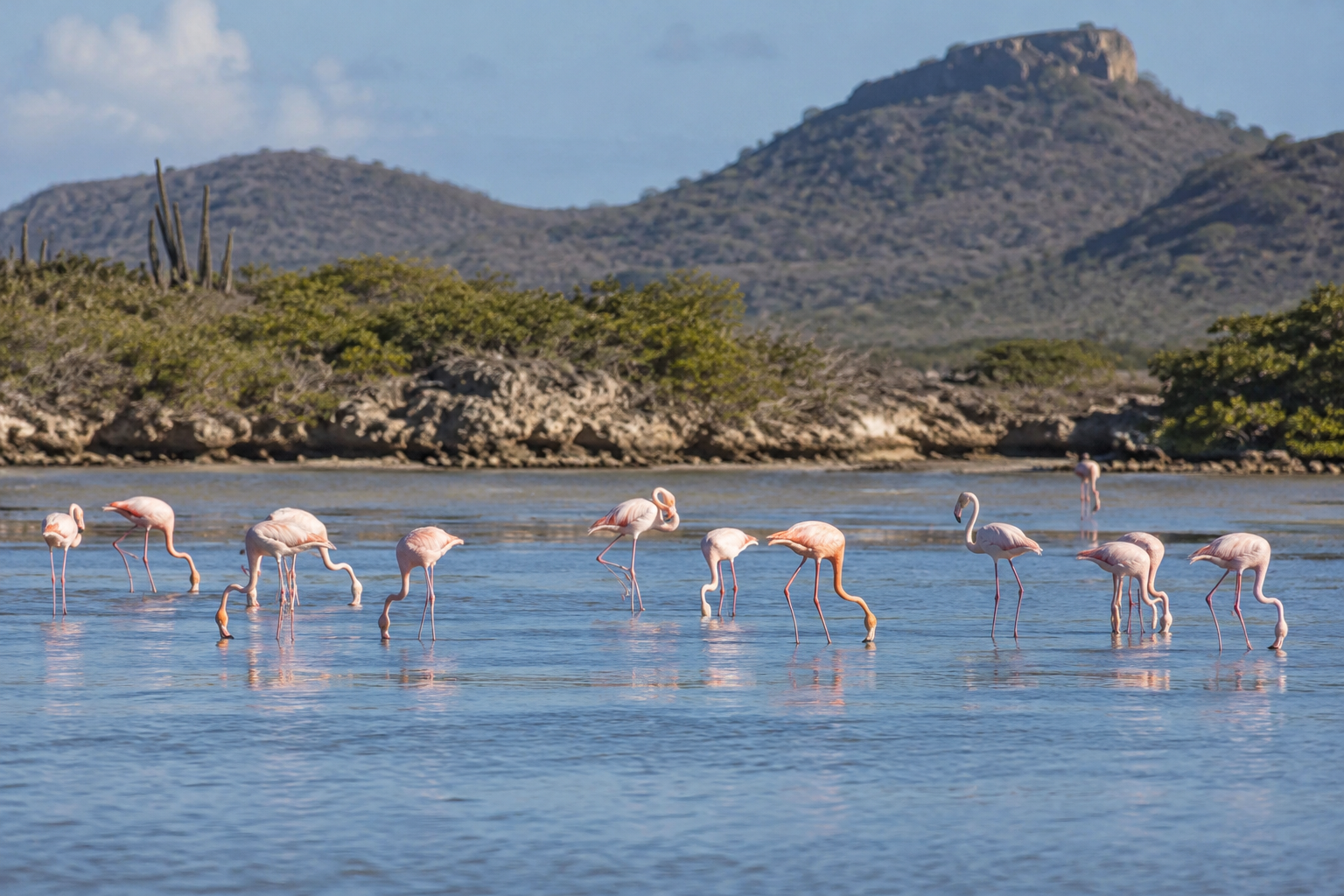
A Wildlife Lens on the Curaçao & Aruba Homeschool Cruise 2027
The Curaçao & Aruba Homeschool Cruise 2027 offers families a chance to explore the Southern Caribbean with curiosity leading the way. With visits to Curaçao and Aruba, this homeschool group cruise invites a wonderful question: what can island wildlife teach us? Flamingos make an exciting starting point, but even a small lizard or a bird along the shoreline can turn an ordinary moment into a discovery.
For homeschool families, the appeal goes beyond identifying animals. Children can connect what they see with geography, biology, drawing, and writing. A bird standing in shallow water might inspire questions about food chains. Dry, scrubby surroundings might spark a conversation about how living things survive with limited freshwater.
Exploring with a group of homeschool families adds another layer: shared curiosity. A younger child’s simple question can start a thoughtful conversation, while an older student might notice a behavior everyone else missed. There is room for different ages and interests to find their own way into the experience.
Flamingos: Pink Feathers, Clever Beaks, and Real Habitats
Why are flamingos pink? Their color comes from pigments called carotenoids in the food they eat. Those pigments move through the food web, including algae and small aquatic organisms, before contributing to a flamingo’s feather color. It is a memorable example of how an animal’s appearance can connect directly to its environment.
Their feeding style is just as interesting. Flamingos use specialized bills to filter food from water and mud, often holding their heads upside down as they feed. Watching from a respectful distance can become a lesson in adaptation: a body part has a particular shape because it helps an animal meet a need.
Wild flamingos use saltwater wetlands on Curaçao, although sightings depend on conditions and are never guaranteed. On Aruba, many familiar flamingo photographs come from managed visitor settings rather than typical wild encounters. Keep that distinction in mind when researching wildlife experiences, and check current access rules. A flamingo encounter should not be assumed to be part of the cruise.
Look Beyond Flamingos to the Whole Island
Curaçao and Aruba have dry landscapes as well as coastal habitats. That contrast makes them interesting places to think about survival. Instead of expecting a lush rainforest everywhere, encourage children to look at open ground, scrub vegetation, rocky areas, and the shoreline. Each habitat offers different shelter and food sources.
Depending on where you explore, birds and lizards may provide observation opportunities. The goal does not have to be a long species list. Spending a few quiet minutes noticing how one animal moves or uses its surroundings can teach more than rushing to find the next one.
- Watch a bird’s beak and feet. What clues might they offer about where it lives and what it eats?
- Notice where a lizard pauses. Is it in sunshine, shade, or close to shelter?
- Compare a wetland with a dry inland area. Which resources might animals find in each?
- Look for connections between plants and animals without touching nests, disturbing wildlife, or collecting living things.
- Record questions as well as answers. “I wonder why” is a useful beginning for scientific thinking.
Ready to start planning? Get a free, personal quote in 24 hours.
Request a quoteMake Nature Study Easy for Every Age
You do not need a complicated curriculum to make wildlife observations meaningful. A small notebook and pencil are enough to get started. Younger children can draw shapes and colors, while older learners can note habitat, behavior, and questions to research later. Binoculars can help with distant observations, but patient attention matters most.
Try a simple “notice, wonder, connect” routine. First, describe something without guessing: “The bird has long legs.” Next, ask a question: “How do those legs help?” Finally, connect the observation to an idea such as wading in shallow water. This keeps learning conversational rather than turning every outing into a worksheet.
The islands also offer cultural connections. Curaçao and Aruba are part of the Kingdom of the Netherlands, and local communities use Papiamento, Dutch, English, and Spanish. Looking up animal names in another language can connect nature study with language learning. Children might enjoy adding a researched word beside a sketch when they return to their notebooks.
Share the Discovery and Respect the Wildlife
Joining a homeschool group means traveling alongside families who also value learning through experience. That shared interest can make a small discovery feel bigger. Comparing sketches, exchanging questions, or talking about a favorite observation gives children different perspectives without requiring everyone to study the same subject at the same level.
Responsible wildlife watching is part of the lesson, too. Give animals space, keep voices low, and never feed or chase them. Stay on permitted paths and follow local guidance. If an animal changes its behavior because of your presence, move farther away. Respectful observation helps children understand that wildlife does not exist just for our photographs.
Ready to explore with other curious families? Visit the Freedom to Explore Travel trip page for the Curaçao & Aruba Homeschool Cruise 2027 to review the confirmed details. Bring your questions and a willingness to notice small things—the most meaningful learning may begin with something you never expected to see.
See the Trip Details
Dates, pricing, and booking details are on our Curaçao & Aruba cruise page. Head there to claim your spot.
Go to the Curaçao & Aruba cruise pageReady when you are.
Tell me what you're thinking and I'll send back ideas, pricing, and the right cruise for how you actually travel.
Keep reading
Alaska Homeschool Cruise 2028: Pack Smart With Kids
Packing for Alaska doesn’t have to mean bringing everything. Build a practical family packing plan with comfortable layers, outdoor essentials, and a few simple tools for learning together.
Spain Transatlantic Homeschool Cruise 2027: Time Zones
What happens when your classroom crosses time zones? Discover how Spain, an Atlantic crossing, and a group of fellow homeschool families can turn changing clocks into memorable learning.
How to Book a Group Cruise: A Step-by-Step Guide for First-Timers
From picking your people to locking in group rates and coordinating payments, here's the no-stress way to book a group cruise — even if you've never done it before.